Wrench Attacks: Why Crypto Holders Now Face Physical Threats and How to Stay Safe

Kidnappings and home invasions targeting cryptocurrency holders rose sharply in 2025. Here is why “wrench attacks” happen, and the privacy and wallet practices that make you a harder target.
SPF, DKIM and DMARC in 2026: Stop Criminals From Sending Email as Your Business

If criminals can send email that appears to come from your domain, your customers and staff are easy phishing targets. Here is a plain-English guide to SPF, DKIM and DMARC, and why Gmail, Yahoo and Microsoft now require them for bulk senders.
How to Write a Privacy Policy That Actually Complies (and People Can Read)

Most privacy policies are copied, outdated and unreadable. Here is what a privacy notice must include under the Nigeria Data Protection Act and the GDPR, and how to write one that customers and regulators will respect.
10 Best Password Managers in 2026: Free and Paid Options Compared
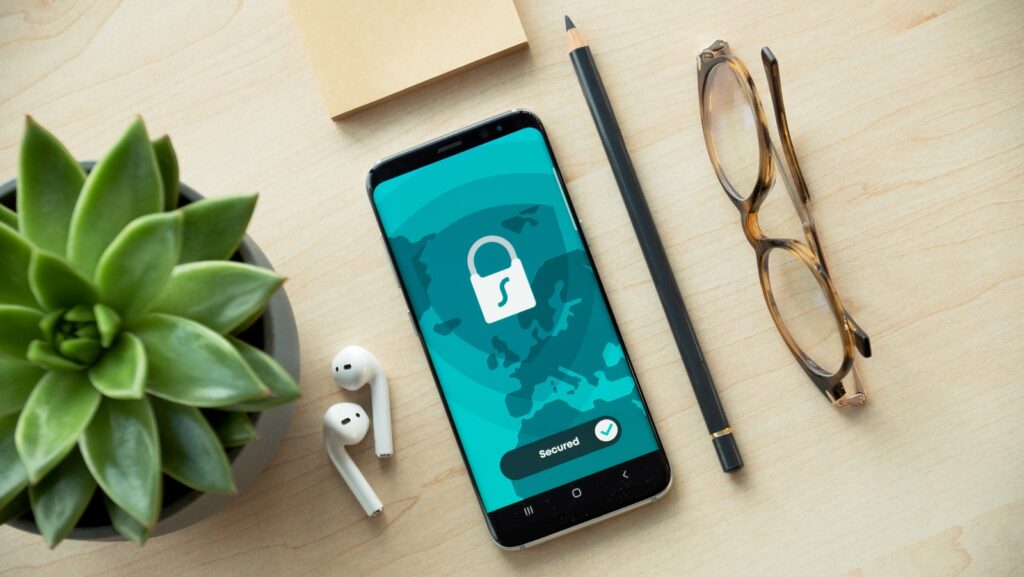
Bitwarden is the best password manager for most people in 2026, with a free plan covering unlimited devices. Here is how it compares with 1Password, Proton Pass, Apple Passwords, Google and more.
Prompt Injection and AI Agents: The New Security Risk Hiding in Your Inbox

AI assistants that read your email, browse the web and take actions can be hijacked by instructions hidden in the content they read. Here is how prompt injection works and how to deploy AI agents safely.
The UK Cyber Security and Resilience Bill: Who It Covers and What Will Change

After a year of damaging attacks on UK retailers, carmakers and the NHS supply chain, the Cyber Security and Resilience Bill is set to overhaul the UK’s NIS rules. Here is who will be covered, what changes, and how to prepare.
Insider Threats: What the Coinbase Bribery Case Teaches About Protecting Customer Data

Criminals did not hack Coinbase in 2025; they paid insiders. Here is how insider threats work, the warning signs, and the technical and human controls that limit the damage.
Stablecoin Rules Explained: The US GENIUS Act, Europe’s MiCA and What They Mean for Users

Stablecoins have become the plumbing of crypto and a fast-growing payment tool. Here is how the US GENIUS Act, the EU’s MiCA regulation and Nigeria’s securities law are shaping them, and what it means for safety.