
🕑 Estimated reading time: 5 minutes | Last updated: January 22, 2025
The Cyber Resilience Act (Regulation (EU) 2024/2847) entered into force on 10 December 2024. It sets mandatory cybersecurity requirements for hardware and software “products with digital elements” sold in the EU. Manufacturers must design products securely, handle vulnerabilities, provide security updates for the expected product lifetime (generally at least five years), and from 11 September 2026 report actively exploited vulnerabilities and severe incidents within 24 hours. Most obligations apply from 11 December 2027, and fines can reach €15 million or 2.5% of worldwide turnover.
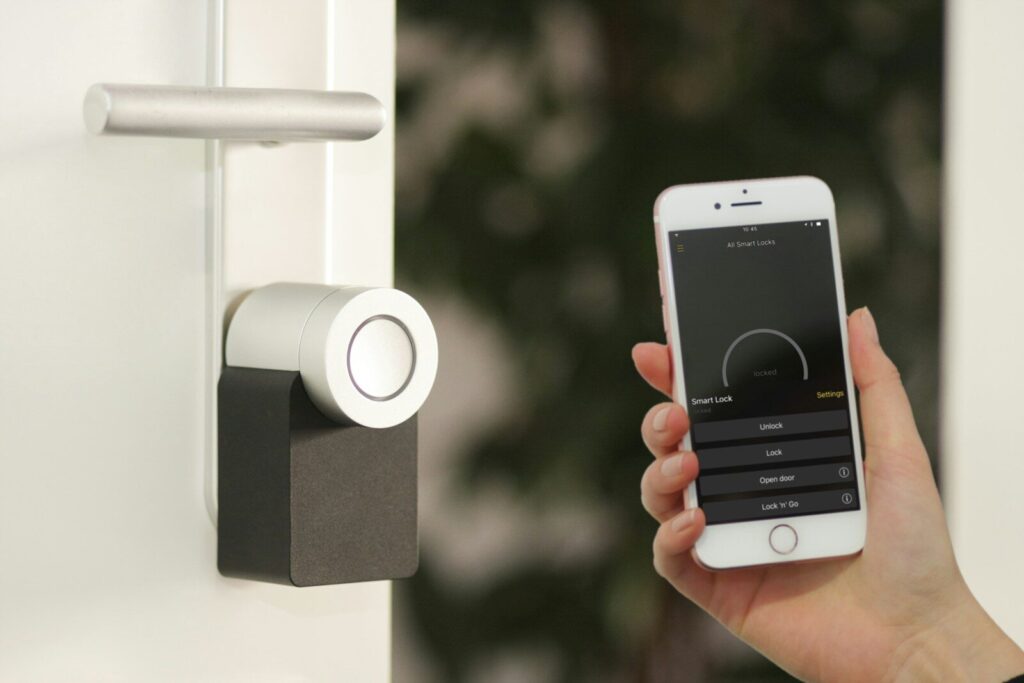
Think about how many gadgets in your home connect to the internet: phones, TVs, cameras, speakers, maybe even the fridge. Until recently, nothing in EU law required most of them to be secure. That is now changing.
Smart doorbells with default passwords, baby monitors that can be hijacked, routers that never receive updates: insecure connected products have been a weak point of the internet for years. Until recently, EU law contained no general requirement that such products be secure. The Cyber Resilience Act (CRA) changes that by making cybersecurity a condition for selling products in the European single market, much as electrical safety is today.
The CRA was published in the Official Journal in November 2024 and entered into force on 10 December 2024. Manufacturers, importers and distributors now have a transition period to prepare.
Table of Contents
What Products Are Covered?
The CRA applies to products with digital elements: hardware and software products, including their remote data processing solutions, whose intended or reasonably foreseeable use includes a direct or indirect data connection to a device or network. That is an extremely broad category. It includes:
- consumer devices such as smart speakers, cameras, toys, watches and home appliances;
- networking equipment such as routers, switches and firewalls;
- software such as operating systems, mobile apps, password managers, games and business applications;
- components such as microcontrollers and software libraries placed on the market separately.
Some products are excluded because they are already regulated by sector-specific rules, including medical devices, motor vehicles, aviation and marine equipment. Pure software-as-a-service is generally outside the CRA, though it may fall under NIS2, unless it is a remote data processing solution essential to a covered product. Free and open-source software developed outside a commercial activity is also excluded, and a lighter regime applies to “open-source software stewards” that support commercial use of open-source projects.
Product Categories and Conformity Assessment
Most products fall into a default category, for which manufacturers can carry out their own conformity assessment. Products listed as important (Class I, such as password managers, VPNs, smart home security devices and network management systems; and Class II, such as firewalls and intrusion detection systems) face stricter assessment procedures, with Class II requiring third-party assessment. A small group of critical products, such as hardware devices with security boxes and smart meter gateways, may be required to obtain European cybersecurity certification. Compliant products carry the CE marking.
Essential Cybersecurity Requirements
Annex I of the CRA sets out the essential requirements. Products must be designed, developed and produced to ensure an appropriate level of cybersecurity based on the risks. Among other things, they must:
- be placed on the market without known exploitable vulnerabilities;
- have a secure-by-default configuration, including the ability to reset to original state;
- ensure vulnerabilities can be addressed through security updates, ideally installed automatically with an opt-out;
- protect against unauthorised access through appropriate authentication and access controls;
- protect the confidentiality and integrity of stored and transmitted data, for example through encryption;
- process only data that is necessary (data minimisation);
- protect the availability of essential functions, including resilience against denial-of-service attacks;
- minimise the attack surface, including external interfaces;
- provide security-related information by recording and monitoring relevant internal activity;
- allow users to securely remove all data and settings.
Vulnerability Handling and Support Periods
Manufacturers must also put in place processes to identify and fix vulnerabilities throughout the support period. These include drawing up a software bill of materials (SBOM) covering at least top-level dependencies, addressing vulnerabilities without delay, regularly testing security, publishing information about fixed vulnerabilities, having a coordinated vulnerability disclosure policy and a contact address for reports, and distributing updates securely and free of charge.
The support period must reflect how long the product is expected to be used and should generally be at least five years, unless the product’s expected use is shorter. The end date must be clearly communicated to buyers at the time of purchase.
Reporting Obligations From September 2026
From 11 September 2026, manufacturers must report actively exploited vulnerabilities and severe incidents affecting the security of their products through a single reporting platform managed by ENISA, the EU cybersecurity agency, which routes notifications to the relevant national CSIRT. Reporting follows a staged approach: an early warning within 24 hours of becoming aware, a fuller notification within 72 hours, and a final report later. Manufacturers must also inform affected users and, where appropriate, explain mitigating measures.
Obligations of Importers and Distributors
Importers must ensure that the products they bring into the EU have undergone the correct conformity assessment and carry the CE marking and required documentation. Distributors must check that products bear the CE marking and are accompanied by the required information. If either becomes aware that a product is non-compliant or has a significant vulnerability, they must act, including informing the manufacturer and authorities.
Penalties
- Up to €15 million or 2.5% of worldwide annual turnover for breaching the essential cybersecurity requirements and core manufacturer obligations.
- Up to €10 million or 2% for other obligations.
- Up to €5 million or 1% for providing incorrect or misleading information to authorities.
Market surveillance authorities can also require products to be withdrawn or recalled.
Why It Matters Outside Europe
Any manufacturer that wants to sell in the EU must comply, wherever it is based. Developers and hardware makers in Africa, Asia and the Americas who supply European customers, directly or through distributors and app stores, should treat the CRA as a global baseline. Many experts expect it to raise security standards worldwide, much as the GDPR did for privacy.
How to Prepare
- List your products and determine which category each falls into.
- Integrate threat modelling and secure coding into your development lifecycle.
- Start producing SBOMs and tracking third-party components.
- Publish a vulnerability disclosure policy and set up a security contact.
- Decide and document support periods for each product.
- Build an internal process capable of meeting the 24-hour reporting deadline by September 2026.
Plan for security after the product ships
The Cyber Resilience Act ends the era in which connected products could be sold with little thought for security after launch. Although most obligations do not apply until December 2027, reporting duties start in September 2026, and product development cycles are long. Manufacturers that begin adapting now will avoid a last-minute scramble and earn customer trust.
This article is general information and does not constitute legal advice.
Frequently Asked Questions
When does the Cyber Resilience Act apply?
It entered into force on 10 December 2024. Reporting obligations apply from 11 September 2026 and most other obligations from 11 December 2027.
Does the CRA apply to mobile apps?
Yes. Software products, including apps placed on the EU market in the course of a commercial activity, are products with digital elements.
What is an SBOM?
A software bill of materials is a list of the components and dependencies that make up a piece of software, used to track and fix vulnerabilities quickly.
